
Magazine Seals for Steel Strapping Machines: Heavy Duty Steel Strapping Seals
JUHONG makes magazine seals in Changzhou, China. They are stacked steel seals that feed one at a time from the seal magazine of a power strapping machine or combination tool. Hand strapping tools need a separate tensioner and sealer; a combination tool or machine does both and takes its seals from the magazine. We have made them since 1999, in 3/4, 1-1/4 and 2 in widths, cold rolled or zinc coated. Distributors and steel mills buy them from us as a lower-cost replacement for brand-name seals, and they test samples on their own machines first.

Trusted by Global Industrial Buyers











Magazine Seals at a Glance
The year we started making magazine seals
Seal widths for 19 to 50 mm steel strapping
GB/T 39040 tolerance on length, width and height
Seals per carton as standard
Magazine Seal Supply: At-a-Glance
| Product | Nested steel seals for automatic strapping machines and combination tools |
|---|---|
| Also called | Mag seals, stacking seals, collated seals, combo tool seals, seal magazine refills |
| Widths | 3/4, 1-1/4 and 2 in (19, 32 and 50 mm) |
| Thickness | 0.6 to 1.2 mm |
| Most ordered | 50 × 32 × 1.0 mm, as No. 2 and No. 4 |
| Finish | Cold rolled or zinc coated; logo stamping on request |
| Packing | 1,000 per carton; a 20GP holds about 1.1 million seals |
| Standards | ASTM D3953 Style IV (magazine-feed); GB/T 39040-2020 type M |
Who Buys Our Magazine Seals for Steel Banding
Magazine seals go to the plants that run automatic steel banding and industrial packaging lines, and to the distributors who supply them. A coil or bar line can close thousands of joints a day, so plants reorder seals by the carton every month.

Coil, Wire Rod and Bar Lines
Lines that strap coils, wire rod and bars around the clock and use seals by the carton every shift.

Seal Distributors and Importers
One of our long-term buyers is a distributor in Saudi Arabia that stocks our magazine seals and supplies steel mills in the region.

Plants Replacing Brand-Name Seals
Plants running Signode-type, Kohan Kogyo or other automatic strapping heads that want to lower their seal cost. Send a seal from your machine and we match it.
Magazine Seal Sizes for Regular and Heavy Duty Steel Strapping
Seal width follows strap width. Thicker strap under higher tension takes a longer, thicker seal. In ASTM D3953 terms, our 0.6 and 0.8 mm seals are regular duty (R) and the 1.0 to 1.2 mm seals are heavy duty (H), used on steel coils. All sizes come cold rolled or zinc coated.

Magazine Seal Sizes by Strap Width
Our most ordered size is 50 × 32 × 1.0 mm for 1-1/4 in strapping. Drawing after GB/T 39040-2020: L length along the band, W outside width, H height, D opening between the flanges, T steel thickness.
| Strap width | Length × thickness |
|---|---|
| 3/4 in (19 mm) | 28 mm × 0.6 mm (1.10 × .023 in) |
| 1-1/4 in (32 mm) | 38 mm × 0.8 mm (1.50 × .031 in) 38 mm × 1.0 mm (1.50 × .040 in) 40 mm × 1.0 mm (1.57 × .040 in) 50 mm × 1.0 mm (2.00 × .040 in) 51 mm × 1.1 mm (2.00 × .043 in) |
| 2 in (50 mm) | 75 mm × 1.0 mm (2.95 × .040 in) 75 mm × 1.2 mm (2.95 × .050 in) |
How a Magazine Seal Is Measured
GB/T 39040-2020 sets a tighter tolerance for magazine seals than for hand-applied seals, because the machine has to pick each seal from the stack and place it in the jaws without a person correcting it.
| Dimension | What it is | Tolerance |
|---|---|---|
| L | Length along the strap | ±0.2 mm (hand seals ±0.5 mm) |
| W | Outside width across the strap | ±0.2 mm |
| H | Height of the formed seal | ±0.2 mm |
| D | Opening between the flanges | To drawing |
| T | Steel thickness | ±0.035 mm |
Magazine Seals in a Sealing Head

A magazine seal sitting in the sealing head of an automatic coil strapping machine, ready to close around the band.
No. 2 and No. 4 Magazine Seals for Strapping Tools and Machines
A magazine seal has to fit the seal magazine and sealing jaws of the machine as well as the strap. ASTM D3953 classes magazine seals as Style IV and notes that they are usually designed around one maker’s tool, so we match each seal to the machine it will run in. Our two most ordered seals, No. 2 and No. 4, are both 50 × 32 × 1.0 mm. We also make magazine seals for other automatic strapping machines: send us a seal or your machine model and we will send free samples to test.
For Signode-type machines
Made as an alternative to Signode Nestack® magazine seals, for steel strapping heads and tools that load that seal.
1-1/4 in steel
Coil and bar lines
For Kohan Kogyo machines
Formed to fit Kohan Kogyo strapping machines from Japan.
1-1/4 in steel
Steel mills
Other widths and machines
28 mm seals for 3/4 in strap, 75 mm seals for 2 in strap, and seals matched to other automatic strapping machines. Free samples for testing.
19, 32 or 50 mm steel
Any automatic line
Signode, Nestack and Kohan Kogyo are trademarks of their owners. JUHONG is not affiliated with them; we use the names only to say which machines our seals are made for.
A Lower-Cost Alternative to Brand-Name Magazine Seals
Many of our seal customers first came to us to replace brand-name seals and spend less on each joint. A strapping line uses seals by the thousand every day, so the seal price shows up in the packing cost of every coil.
How buyers switch:
- Send us a seal from your machine, or a clear photo with its length, width and thickness.
- We make free samples to match and ship them.
- Run the samples in your machine for a shift.
- Order by the carton or the container. Repeat orders are made to the approved sample.
What You Pay For
Ours is a factory price for the product itself. We stamp the seals in the same Changzhou plant that makes our steel strapping, with no agent in between. Send your seal dimensions and yearly volume for a quotation and compare it with what you pay now.
Why Magazine Seals Jam, and How We Prevent It
Each cycle, the machine slides one seal off the stack, drops it into the jaws and closes it around the band. If a seal is slightly oversize, bent or rusty, the machine misfeeds and the line stops until someone clears it.
| Cause | What happens in the machine | What we do |
|---|---|---|
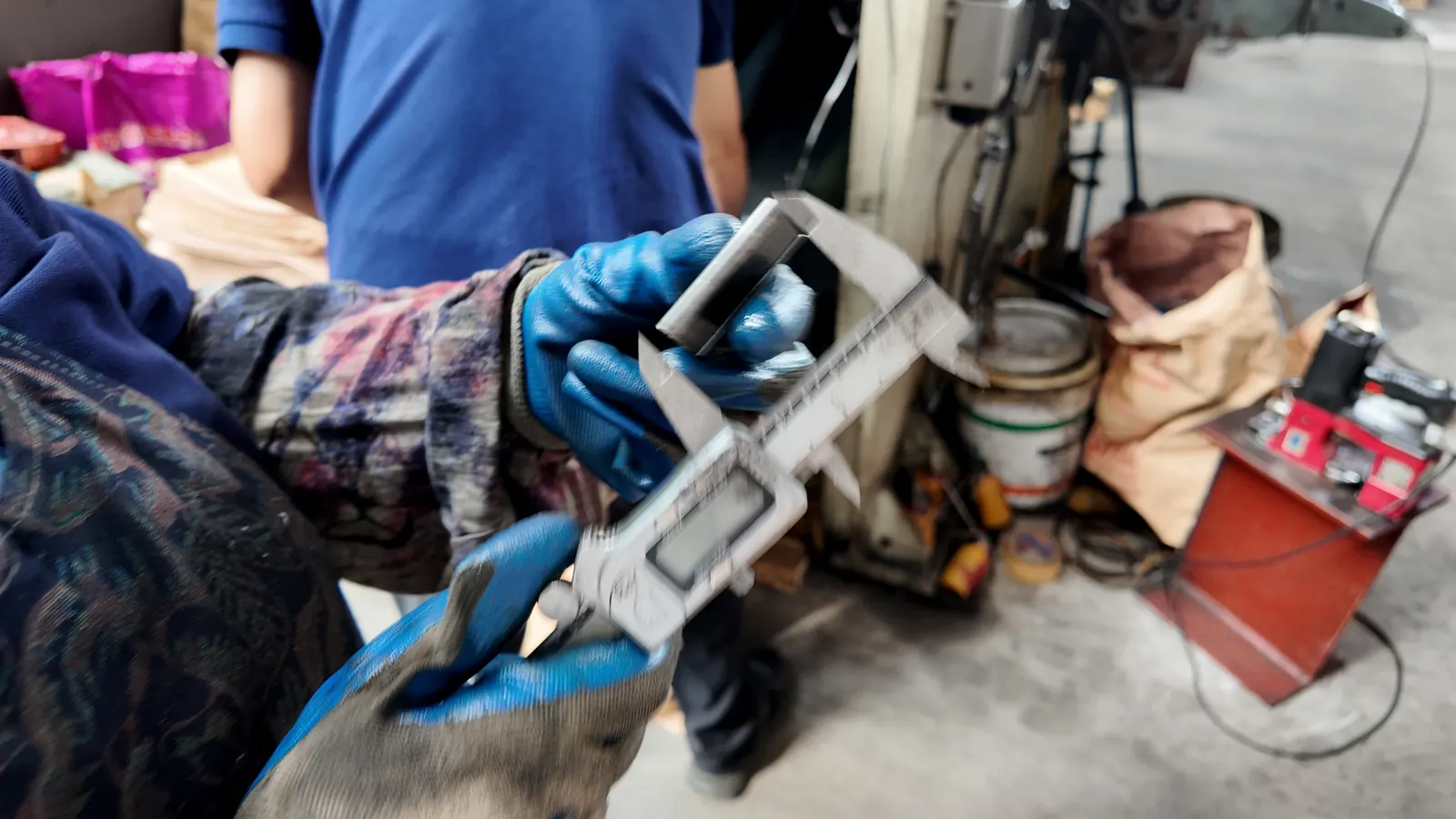
| Length or width out of tolerance | The seal sticks in the magazine or sits off center in the jaws | Dies made to the drawing, calipers at the press, ±0.2 mm on L, W and H |
| Burrs on the edges | Seals hook onto each other and two feed at once | Edges checked at the press |
| Wrong flange angle | The stack does not nest evenly and leans | Forming checked against the approved sample |
| Bent stacks | Seals jam at the mouth of the magazine | Stacks packed in cartons so they keep their shape |
| Rust | Seals stick together in the stack | VCI film and desiccant in every carton; zinc coating on request |
Product Quality: How We Make and Check Magazine Seals
We started making magazine seals in 1999. The raw material, cold rolled steel strip, is slit to width, flattened and fed into forming dies on our own presses, which stamp each seal and nest it into the stack. Two Chinese invention patents cover this equipment: an automatic forming machine for cold rolled strapping seals (2023) and a self-locking automatic seal device (2024). JUHONG is also one of the drafting organizations of GB/T 39040-2020, China’s standard for steel seals.
Checks on Every Order
These checks run on every order of magazine seals.
| Check | How | Stage |
|---|---|---|
| Steel strip | Grade, size and surface | On arrival |
| Dimensions | Calipers against the drawing | At the presses |
| Forming | Burrs, cracked edges and flange shape | At the presses |
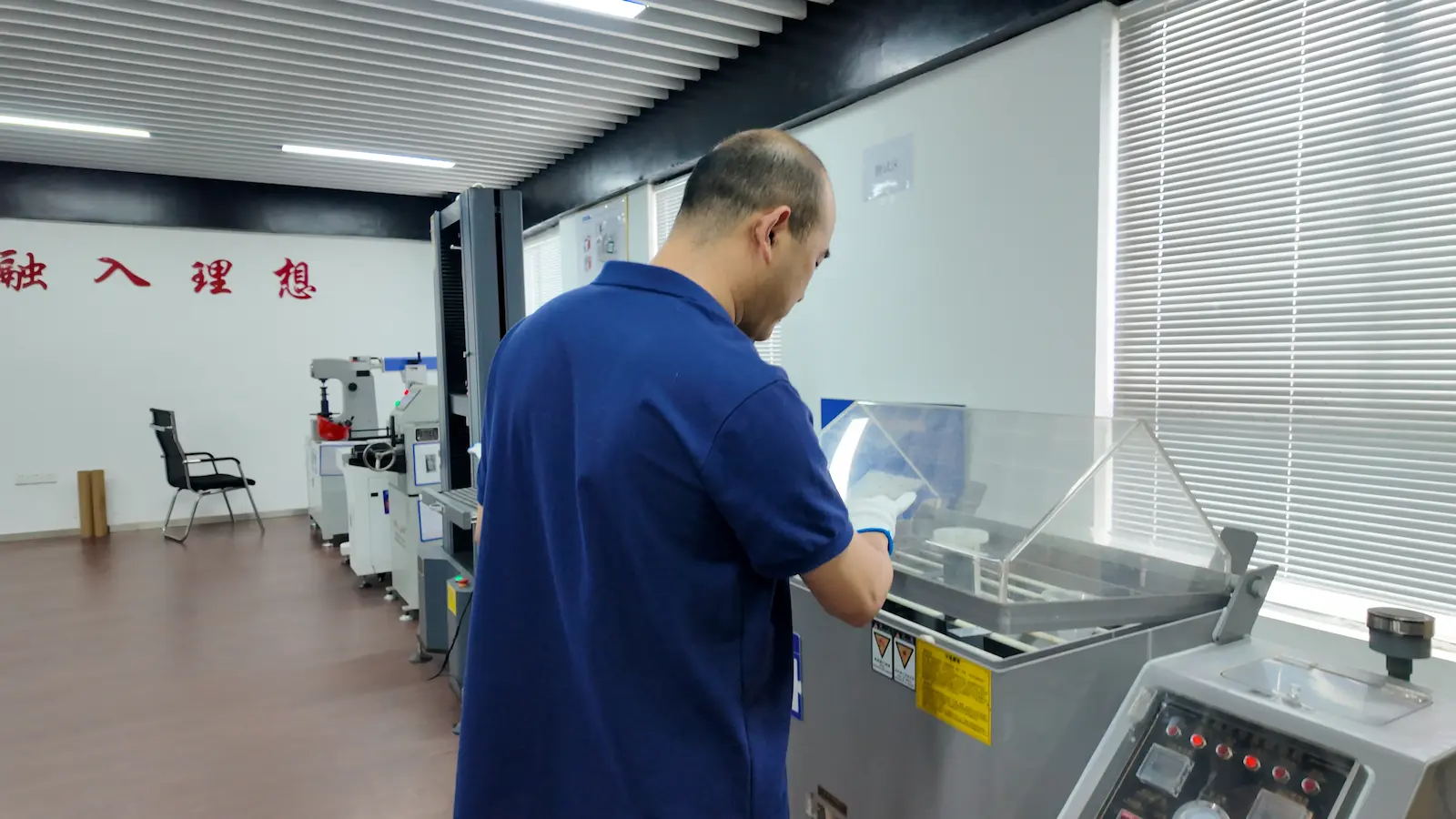
| Zinc coating | 24-hour neutral salt spray | Zinc-coated orders |
| Final count | Product quality, seals per carton, labels | Before shipment |
GB/T 39040-2020 calls for at least 3 µm of zinc per side and no red rust after 24 hours of neutral salt spray on zinc-coated seals.

Documents for Seal Orders
SGS RoHS and PPWR heavy metal reports on our steel seals, plus GB/T 39040-2020. Full reports are on our Downloads page, and the seal types and sizes are on our strapping seals page.
Logo Stamping, Finishes and Custom Metal Seals
We have stamped buyers’ logos into seals since 2000, so distributors can sell magazine seals under their own name.
Your logo on every seal
The logo is stamped into the seal face when it is formed.
Cold rolled or zinc coated
Plain cold rolled seals for indoor storage; zinc coated for damp warehouses and sea freight.
Made to your approved sample
Once you approve a sample, every repeat order is made to it.
Buying Steel Strapping Too?
We make the steel strapping as well, so seals and strap can ship in one container, matched in width.
| Strap width | Magazine seals we make |
|---|---|
| 3/4 in (19 mm) | 28 × 0.6 mm |
| 1-1/4 in (32 mm) | 38–51 mm long, 0.8–1.1 mm thick |
| 2 in (50 mm) | 75 mm long, 1.0 or 1.2 mm thick |
Pallet Packing and Shipping
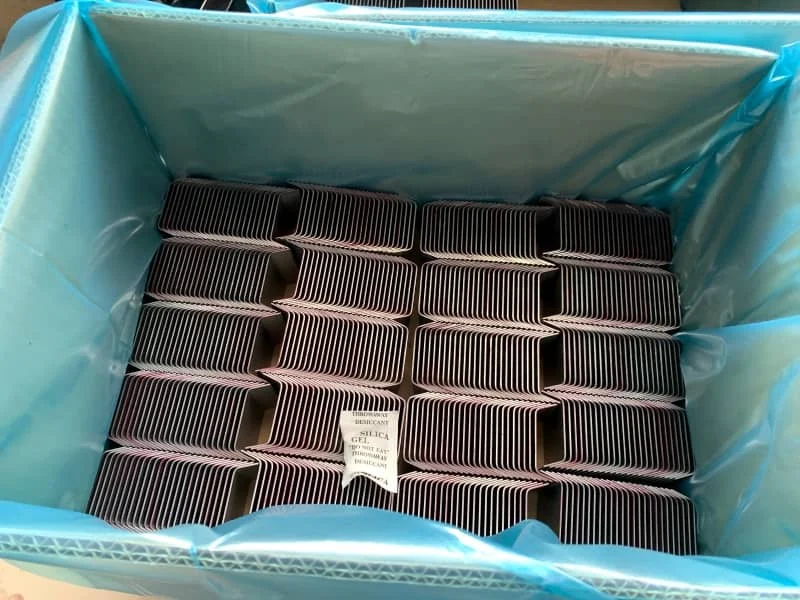
Our standard pack is 1,000 magazine seals per carton, stacked in a lined carton with VCI anti-rust film and a desiccant. Carton count, carton printing and pallet loading can follow your own requirements: contact us for custom packing.
Seals per Pallet and per Container
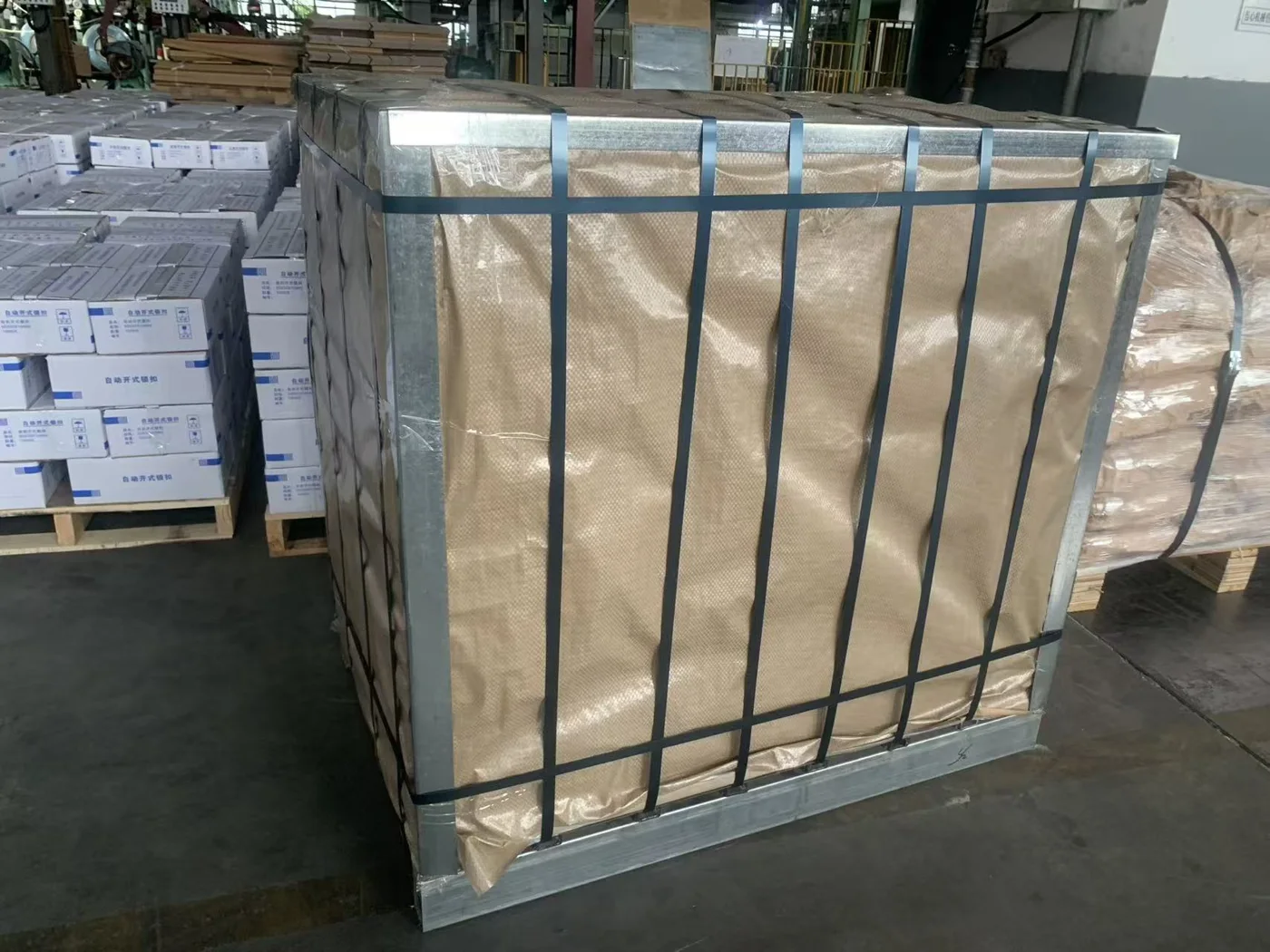
Our usual load for magazine seals: 100 cartons on each 115 × 115 cm pallet, and 11 pallets in a 20GP container.
| Magazine seals | Per carton | Per 115 × 115 cm pallet | Per 20GP |
|---|---|---|---|
| Standard packing | 1,000 | 100 cartons (100,000 seals) | 11 pallets (about 1.1 million seals) |
Cartons
1,000 seals per carton
Stacks packed with VCI film and a desiccant.
Pallets
100 cartons per pallet
Wrapped in woven cloth and strapped with steel strapping.

Container
11 pallets in a 20GP
About 1.1 million magazine seals in one 20 ft container.
Custom
Your count and logo
Other carton counts, logo-stamped seals and printed cartons. Ask for custom packing.
Magazine Seals for Steel Strapping: FAQ
Short answers to the questions plant buyers and distributors ask us about magazine seals.
What is a magazine seal?
A steel strapping seal with flanges that open outward, so the seals nest into a stack. The stack is loaded into the seal magazine of a power strapping machine or combination tool, which feeds one seal for each joint and closes it into a secure joint. Open seals and semi open (thread-on) seals are placed by hand instead.
Which magazine seal fits my strapping machine?
Send us a seal from the machine, or a photo with its length, width and thickness. Our No. 2 seal is made as an alternative to Signode Nestack® seals and our No. 4 seal fits Kohan Kogyo machines; both are 50 × 32 × 1.0 mm. We also match seals for other automatic strapping machines and send free samples to test.
Can your magazine seals replace brand-name seals?
Many of our customers buy them for that reason. Test samples on your own machine before you order in volume.
What sizes do you make?
28 × 0.6 mm for 3/4 in strapping; 38 to 51 mm long and 0.8 to 1.1 mm thick for 1-1/4 in; 75 mm, 1.0 or 1.2 mm thick, for 2 in.
Why do magazine seals jam?
Usually because seals are out of tolerance, have burrs, sit in bent stacks or have rusted together. Tight tolerances and dry packing prevent most of it.
Do you make zinc-coated magazine seals?
Yes. Zinc-coated seals are galvanized to resist rust; choose them for damp storage or long sea freight.
How many magazine seals are in a carton?
1,000 as standard, and a 20GP container holds about 1.1 million. We can pack other counts to suit your line or warehouse.
Can you stamp our logo on the seals?
Yes. We stamp your logo into the seal and can pack it in your own cartons.
How to Order Magazine Seals
- Send a seal from your machine, or a photo with its dimensions, and the machine maker.
- We confirm the seal type and send samples.
- Test the samples on your machine.
- Order by the carton or the container.
- Strap width and thickness
- Machine or tool maker
- Seal sample or photo
- Yearly quantity and destination port
Fields marked * are required. You can attach a photo of your seal or your machine label.